Hutchinson-Gilford Progeria Syndrome (HGPS): AI Models, 3D Morphometric Fingerprinting, Etiology, Epidemiology, Next-Generation Molecular Therapeutics, Microcephalic Osteodysplastic Primordial Dwarfism-II (MOPD-II)
Keywords:
- Hutchinson-Gilford Progeria Syndrome (HGPS); Microcephalic Osteodysplastic Primordial Dwarfism Type II (MOPD-II); Artificial Intelligence; 3D Morphometric Fingerprinting; Precision Medicine; Multi-Omics; Gene Editing.
Abstract
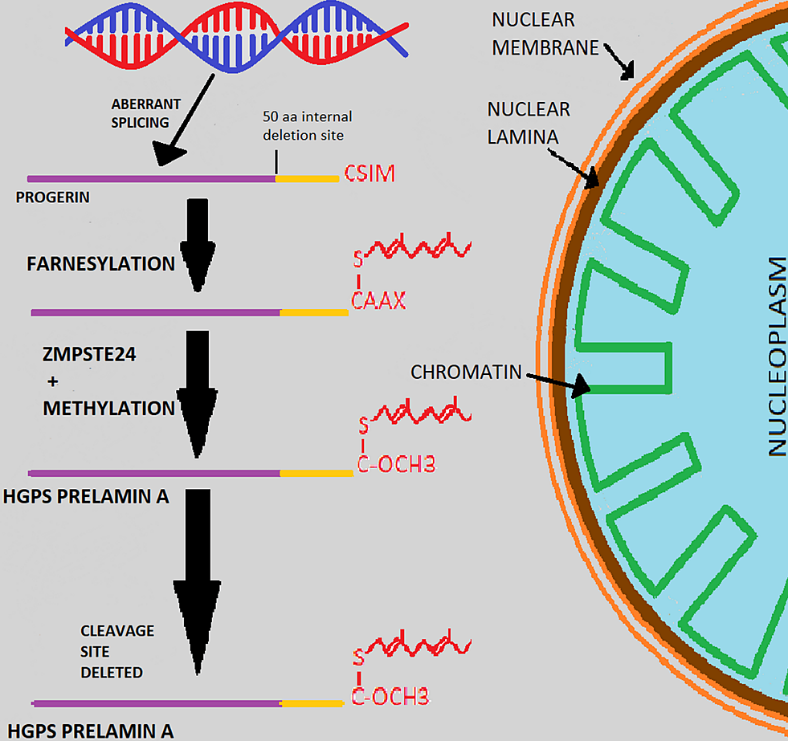
Hutchinson-Gilford Progeria Syndrome (HGPS) and Microcephalic Osteodysplastic Primordial Dwarfism Type II (MOPD-II) are ultra-rare genetic syndromes associated with severe growth abnormalities, multisystem involvement and distinct molecular mechanisms. While the mutations of HGPS cause the accumulation of progerin and accelerated aging, the mutations for MOPD-II affect the function of the centrosome and proliferation of the cells. This review is aimed at summarizing the etiology, epidemiology, molecular pathology, and clinical manifestations of both disorders, and discussing recent developments in the field of artificial intelligence (AI), genomic analysis, three-dimensional morphometric fingerprinting, digital phenotyping, and multi-omics integration to better diagnose and characterize the disease. It also contrasts the clinical and molecular characteristics of HGPS and MOPD-II and touches on new treatment concepts, such as RNA-based approaches, antisense oligonucleotides and precision medicine with the help of artificial intelligence. The issues of clinical translation, small patient numbers and standardisation of data are also discussed. Overall, the integration of AI with molecular genetics and precision medicine offers promising opportunities for earlier diagnosis, personalized treatment, and improved clinical outcomes in these ultra-rare genetic disorders.